Table Of Content

Nutrafol's hair growth formulas are designed to meet your bio-specific needs and help you target the root causes of hair loss. Studies about their effects regarding pregnancy are mostly incidental, so their overall safety is something to be cautious about. For example, exposure to high levels of lead while pregnant can cause problems like preterm delivery, low birth weight, and miscarriage. And if you eat a lot of fish with high mercury levels while pregnant, your baby could have problems with their nervous system. You may also experience heartburn, swollen ankles, and exhaustion.
Different Types of Hair Dye During Pregnancy
If you’re worried about the dye absorbing into your bloodstream through your scalp, you may want to stick to highlights, lowlights, or balayage. Both of these options can transform your hair but don’t require the dye to directly touch your scalp. ” The good news is that there is no evidence that the small amount of dye that comes in contact with the skin causes birth defects or other health problems for the pregnant person, or the developing fetuses. With a little research, you may discover a number of options for a new color or style. Before putting any kind of color or chemical treatment on your hair, though, make sure to bring the box or a list of the ingredients and an outline of the treatment process to your doctor for approval. If you still have concerns, wait to color or treat your hair until the second or third trimester or until after you’ve had your baby.
How Often You Can Color Your Hair While Pregnant
Whether you love your highlights, covering grays or you’re rocking a vivid hue, you might be wondering if you should give up your color once you get pregnant. However, there are some precautions you should take for your own comfort and peace of mind. Highlighting your hair, by putting the dye only on to strands of hair, reduces any risk. The chemicals used are only absorbed by your hair, and not by your scalp or bloodstream.
Top 1,000 Baby Girl Names in the U.S.
Is it Safe to Bleach Your Hair While Pregnant? - Glamour
Is it Safe to Bleach Your Hair While Pregnant?.
Posted: Thu, 07 Feb 2013 08:00:00 GMT [source]
As an expectant mother, you’re bombarded with information on how to have a safe and healthy pregnancy. Everything you do and eat can have an effect on your baby-to-be. For a safer alternative, try techniques where color is painted directly on to the hair shaft — highlights, lowlights, frosting and streaking, for example. Pulling hair through a cap and then applying color is a less common method but equally as safe, since the cap covers the scalp. There are many hairstyles that don’t require that your stylist apply dye to your scalp. Balayage, for example, gives your hair an ombre effect, with the artificial color being applied at the bottom of your hair and fading as you go up.
According to the American Academy of Dermatology (AAD), postpartum hair loss is normal and temporary. A person’s hair should return to its previous condition within 6 months after delivery. This article describes the hair changes a person can expect during and after pregnancy. Helen Reavey is the founder and creative director of hair wellness brand Act + Acre.
BabyCenter is your parenting partner.
Most research shows that it’s safe to dye or colour your hair while pregnant. Complete a patch test on your skin before putting the henna in your hair. If there is a black stain, this indicates added chemicals and you shouldn’t use the product. In addition, if you have given birth to a child who has G6DP deficiency, anemia, hyperbilirubinemia, or any blood or immune system-related disorder, then do not use henna to color your hair. Getting a perm doesn't appear to be a risk to your health or your baby's.
Keep In Touch

However, there is conflicting research about the toxicity of hair dye. When you’re pregnant, it’s common to second guess the safety of many of your usual activities. You may question aspects of your daily routine, such as exercise, diet and caffeine intake. Many people also wonder if continuing their usual beauty routine—including dyeing their hair—is safe during pregnancy. Small amounts of hair dye can get on your skin during a treatment.
“Ensure you’re taking care of yourself and listening to your body when it comes to taking a break or needing to rest,” Reavey says. And always consult with your medical provider for any questions and concerns. Pregnancy comes with a few questions, one of which involves dying your hair while pregnant. To a slight degree, you can let go of your worries since the chemicals might not pose a major hazard to the developing baby. At the same time, you’ll need to keep in mind that very few studies have been conducted relating to this matter.
Save yourself some nausea or headaches by coloring your hair in a well-ventilated area. “Proper ventilation is also a good way to lower your exposure to chemicals in the air,” she adds. The AAD notes that many people may notice a peak in hair loss 4 months after childbirth. If a person’s hair does not return to its previous condition after 1 year, they should contact a doctor.
It usually stops within 6 months post-birth, and most people see their hair return to its usual thickness within 1 year, although this could happen sooner. After the birth, the body’s hormone levels drop quickly to return to their prepregnancy levels. This decrease in hormones triggers the hair to revert to its former growth cycle. If you don't know anything about pregnancy parties, think of it in scientific terms.
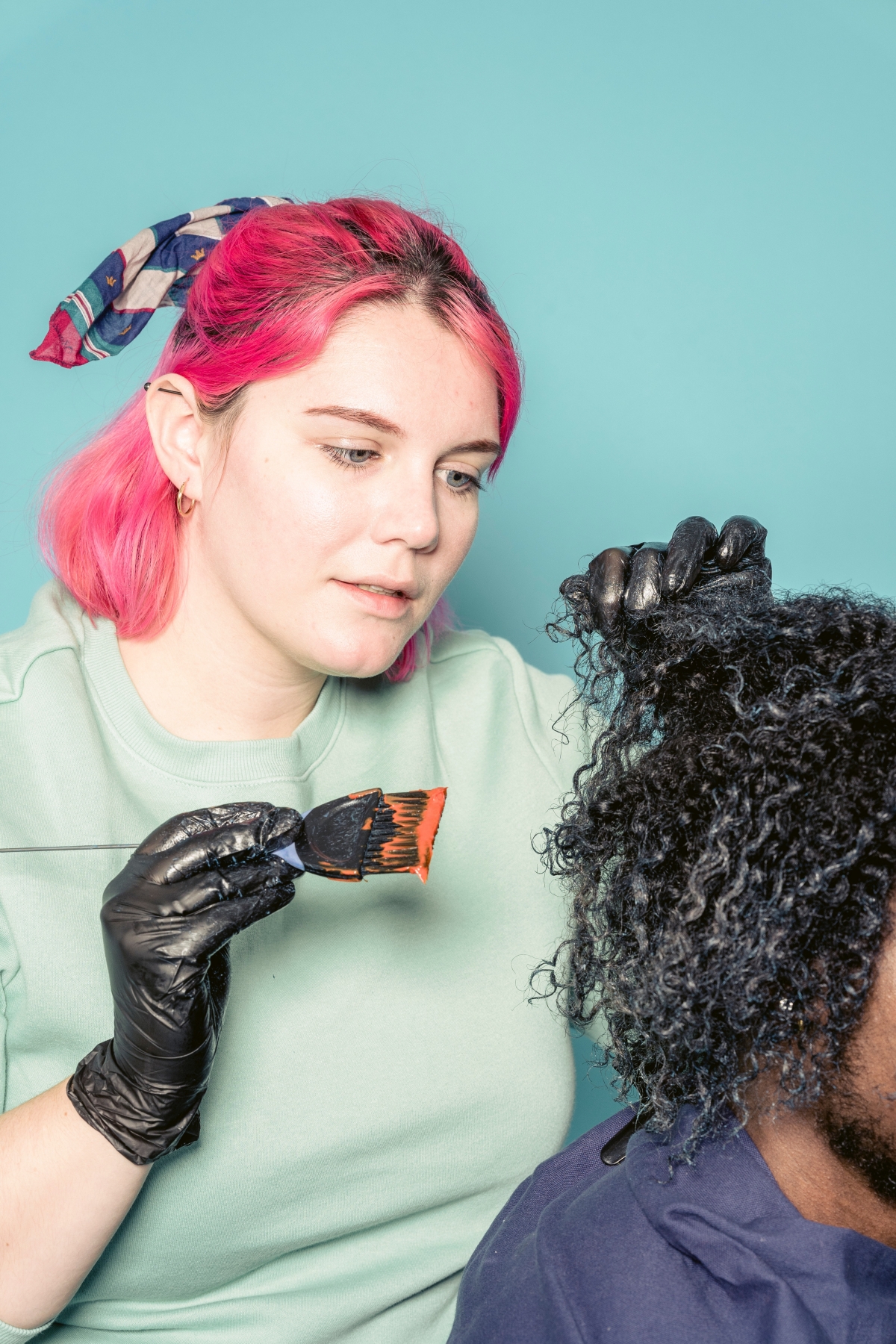
Whether you choose to color your hair at home or a salon, do it in a well-ventilated area and follow all instructions on how to use hair dye properly. However, when it comes to hair dye, only a small amount of chemicals get absorbed through the scalp. This means that the risk of those chemicals entering your bloodstream and reaching your baby is minimal.
Consider getting highlights in your hair instead of a full color change. This ensures that the strands themselves are coated with the color, but the treatment doesn’t make contact with your scalp. You can have scattered highlights or lowlights incorporated into your existing color to mask the difference between roots and ends. Or, you can opt for an ombre color, in which a lighter dye is placed towards the bottom half of the hair, gradually transitioning from your natural color on top to a lighter one at the bottom. Bleaching your hair includes the use of hydrogen peroxide and may be used in conjunction with other types of hair coloring. They may be composed of lye (sodium hydroxide) or no-lye (potassium, lithium, or guanidine hydroxide) solutions.
You may not always feel good about yourself as your body goes through these changes. You won’t have control over all of the physical changes taking place. And during pregnancy, all those hours coloring and cutting hair can be even more exhausting. (Hello, back pain!) Try taking breaks and sitting when you can.